- 0811 337 407
- info@steamlabs.co.th


The first level of the VEX V5 Skills journey focuses on mechanical precision, structured building, and system integration — setting a solid foundation for high-level robotics engineering.

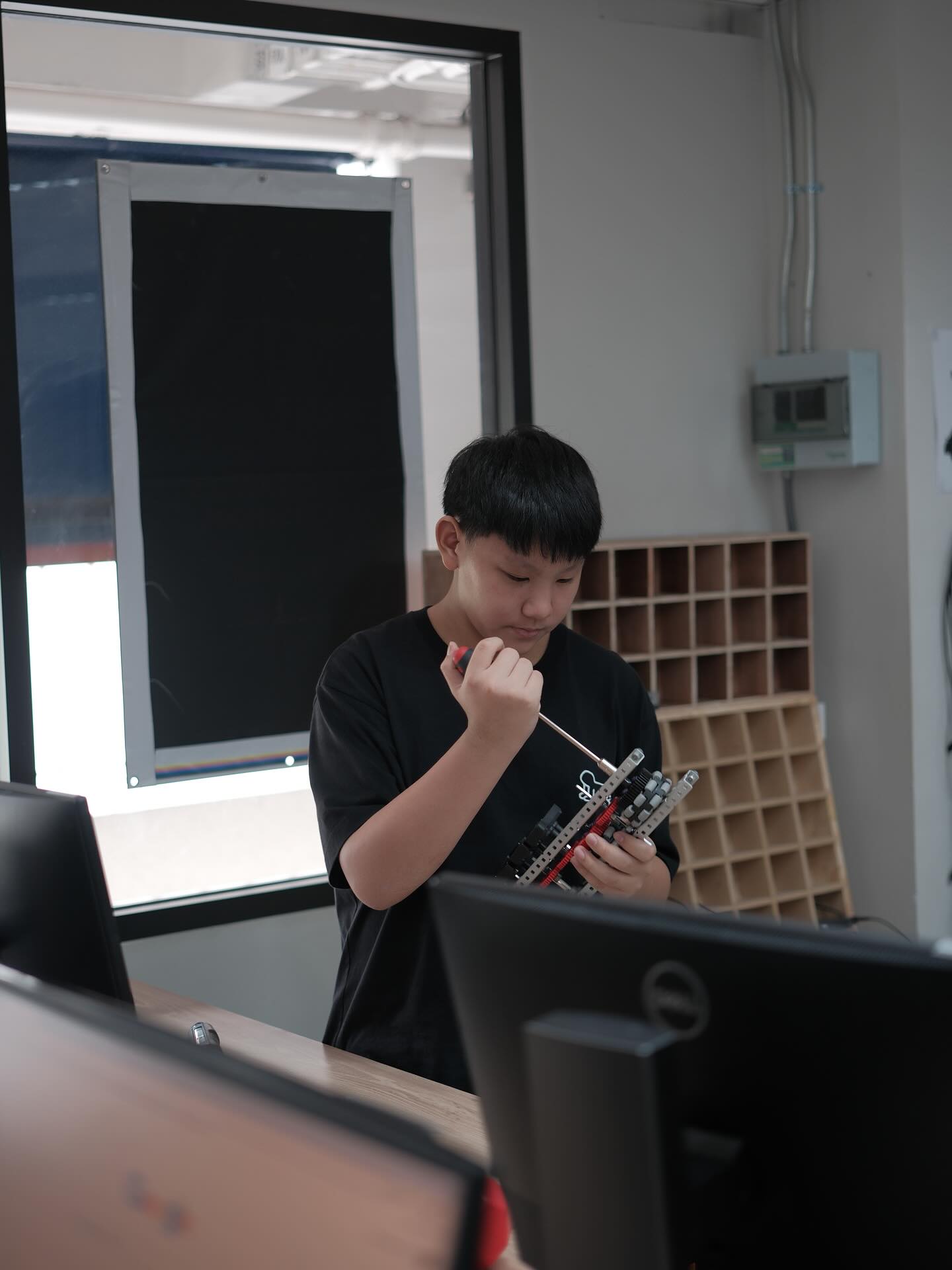
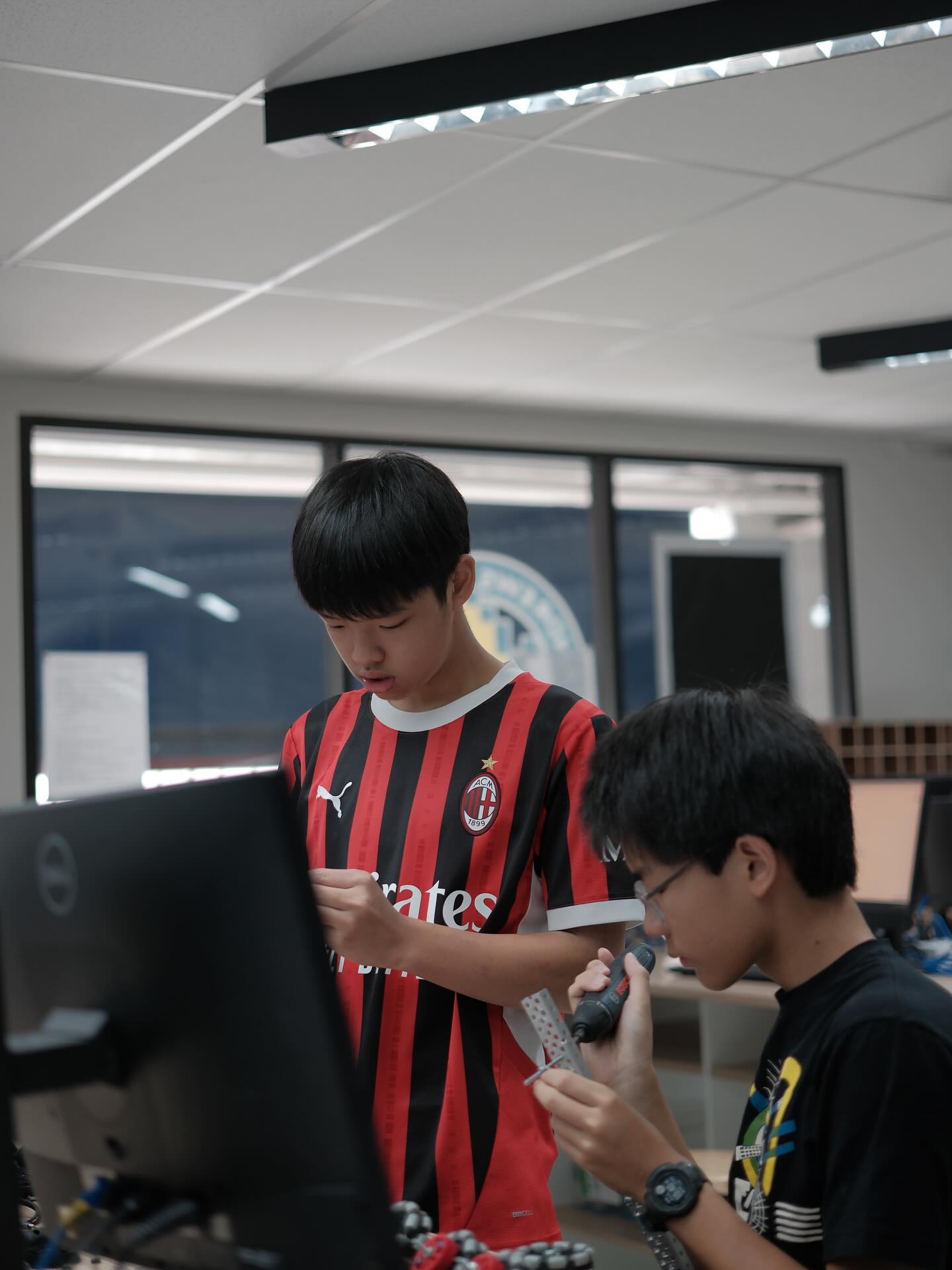
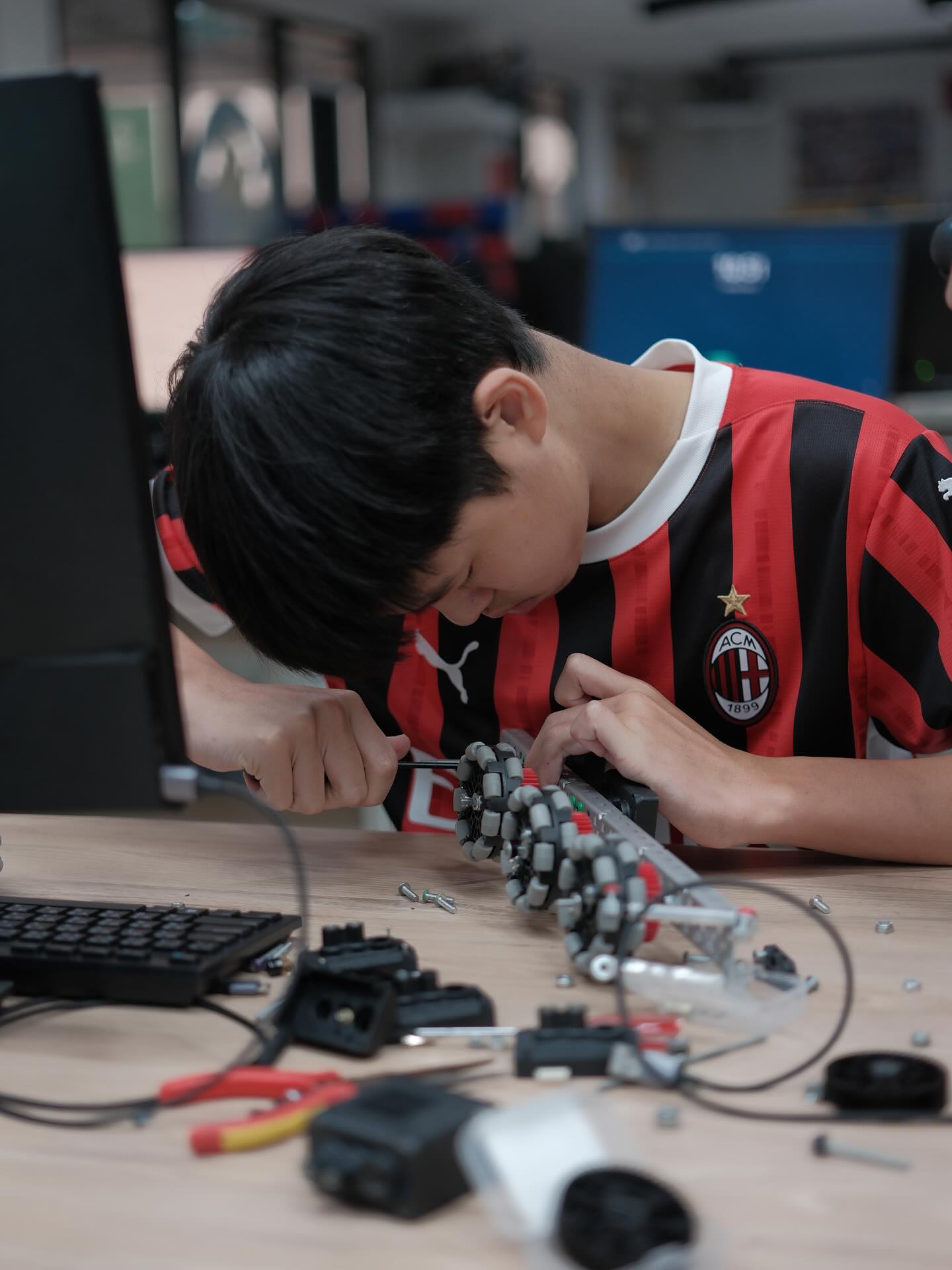
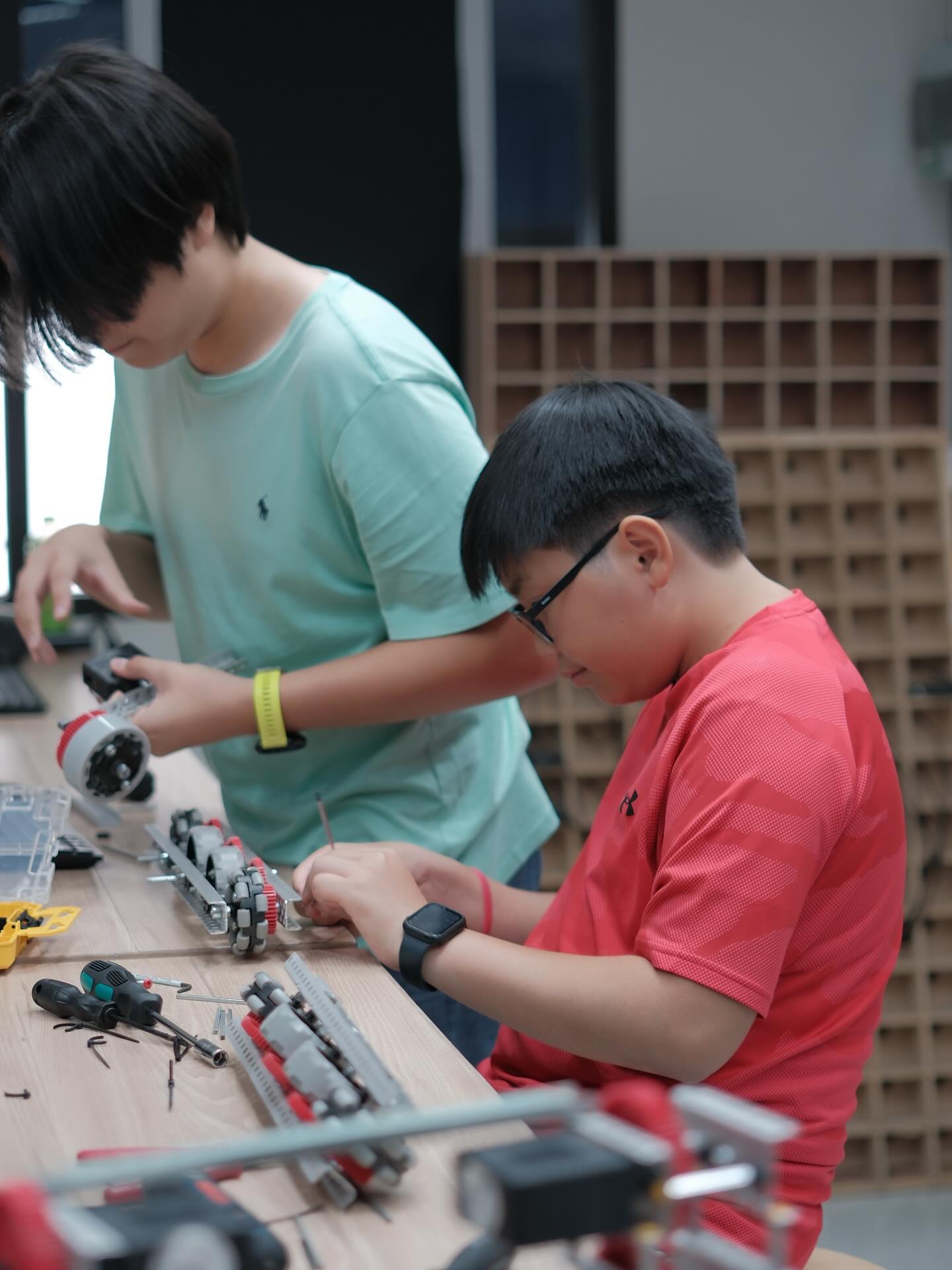
The first level of the VEX V5 Skills journey focuses on mechanical precision, structured building, and system integration — setting a solid foundation for high-level robotics engineering. At STEAM Labs, students begin by developing an understanding of how individual components contribute to a reliable and efficient robot system. Emphasis is placed on accurate assembly techniques, proper use of tools, and the importance of symmetry, alignment, and structural integrity in robot design.
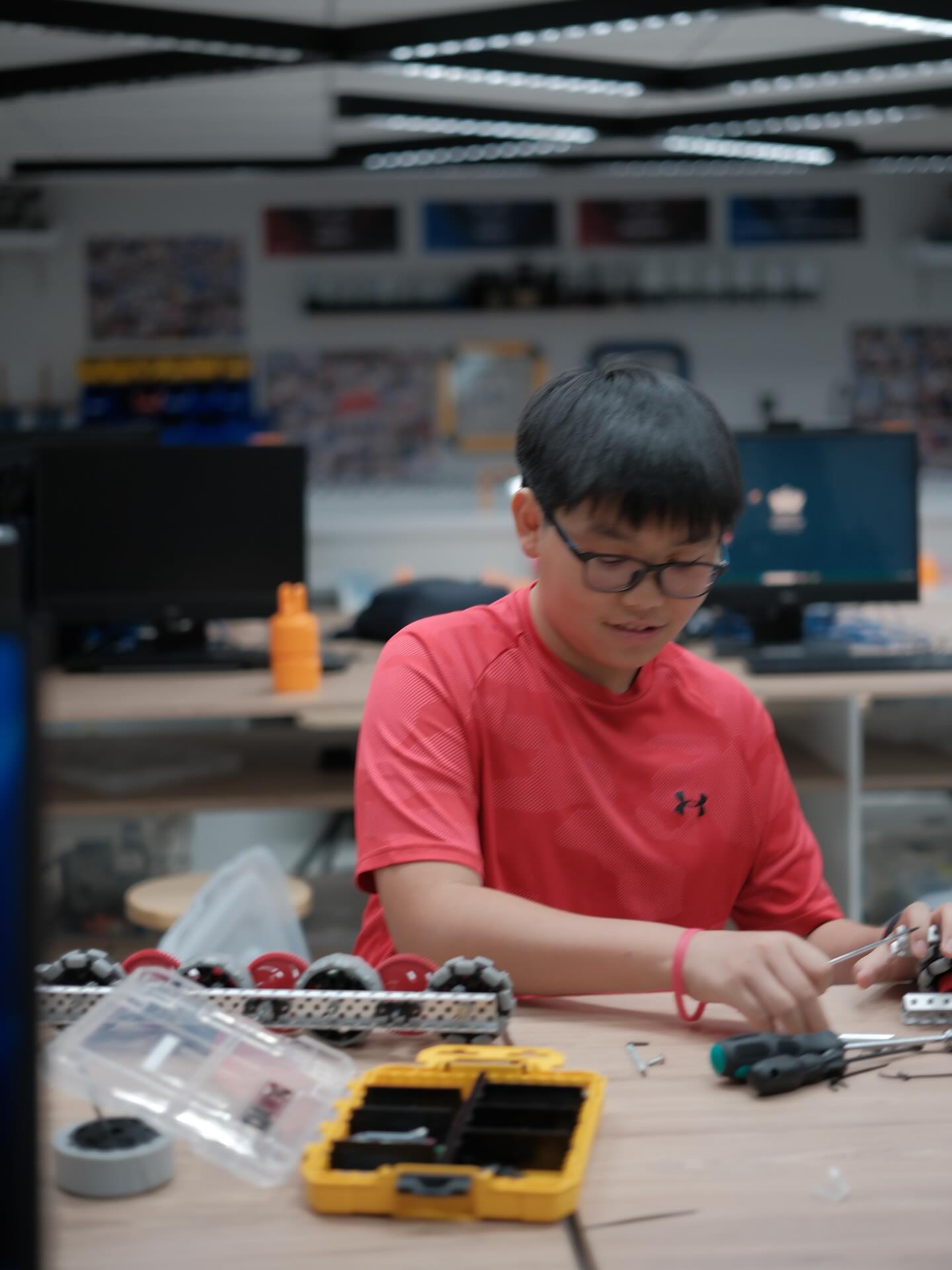
Students explore drivetrain configurations, learning how gear ratios, wheel selection, and motor placement affect speed, torque, and control. Through guided builds and challenges, they gain hands-on experience in creating robust chassis systems that can withstand competition demands. This stage also introduces foundational electrical concepts, including correct wiring practices, battery management, and sensor integration to ensure consistent performance.
In parallel, learners are introduced to basic programming logic, focusing on clean, structured code that supports repeatable and predictable robot behavior. By combining mechanical builds with simple autonomous routines, students begin to see how hardware and software must work together seamlessly.
By the end of this level, students are not just assembling robots—they are thinking like engineers, understanding the reasoning behind each design decision and preparing for more advanced problem-solving in the next stages of the VEX V5 program.
Students start by exploring mechanical advantage, learning how gears, levers, and linkages generate power and movement. They apply these principles in hands-on builds, understanding how engineering decisions affect real-world performance.
Learners are introduced to the difference between screws, shafts, and shoulder screws, applying their knowledge as they construct a 6-motor geared drive base with professional assembly practices.
They then move into CAD design, creating and laser-cutting their own Delrin components in the STEAM Labs fabrication studio — discovering how custom parts elevate robotic performance.
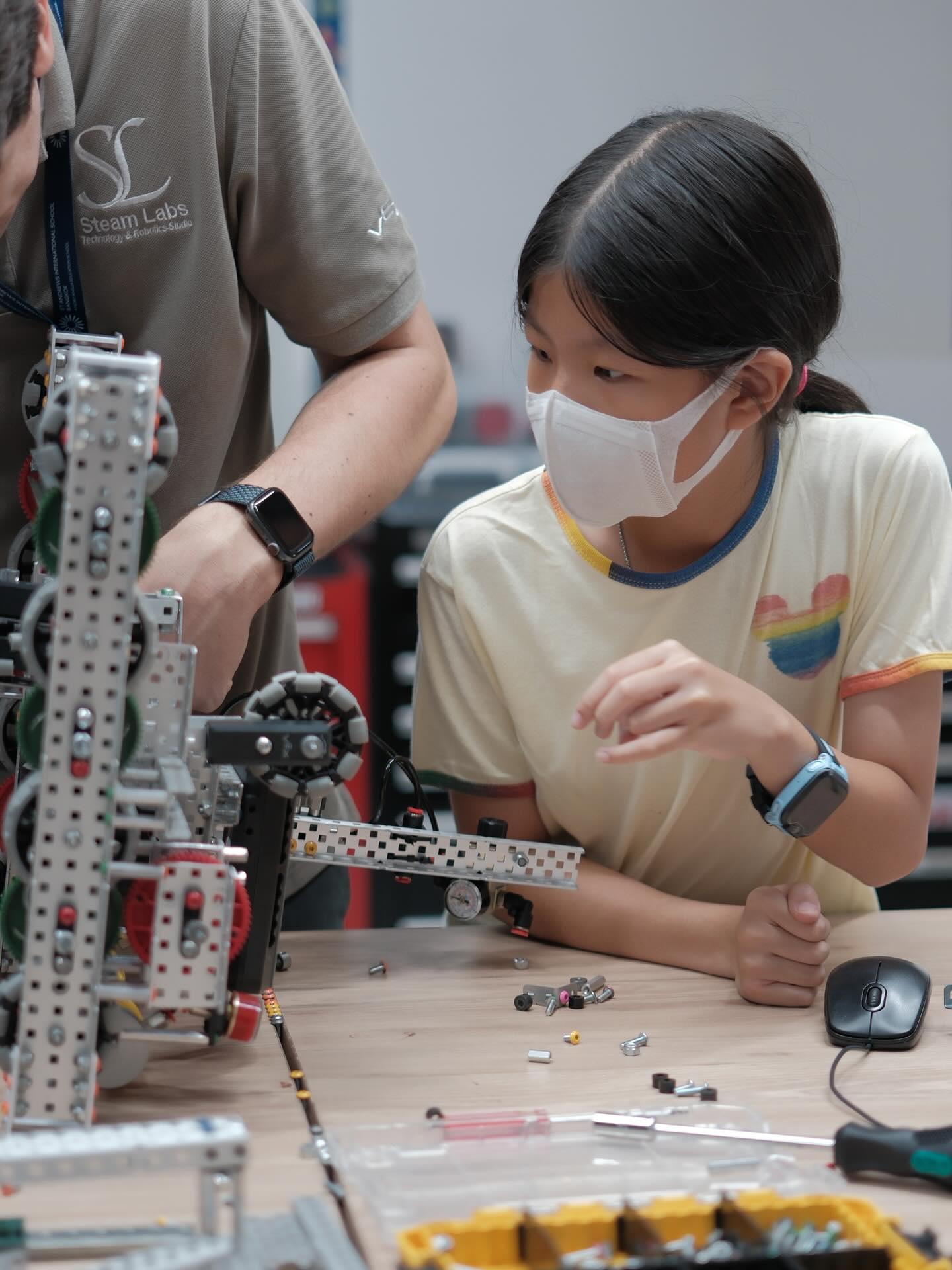
Students add a pneumatic claw and integrate sensors, motors, and the V5 Brain with proper cable management and electronics layout.
They gain a deep understanding of how electronic systems power motion, while documenting their process through engineering notebooks and photography.
In the final phase, students program their first autonomous robot using C++ in PROS, applying LemLib for motion control and path plotting.
Their challenge: design, build, and code a robot capable of independently collecting and returning an object — blending mechanical skill with logic, control, and precision.
“This is where students first see their robots come to life — not just responding to commands, but executing complex, self-driven tasks.”
Level 2 takes robotics mastery to a professional level — focusing on autonomous control, PID tuning, and custom fabrication for competitive robot design.

Students deepen their command of C++, building advanced control algorithms from scratch. They learn to program fully autonomous robots using LemLib and PROS in Visual Studio, before advancing to PID control without external libraries — gaining full understanding of how robotic systems self-correct and adapt.
This stage emphasizes engineering craftsmanship. Students design and produce custom Delrin components, practice line bending plastics, and operate advanced laser cutters — including xTool P2S and xTool P3 — to achieve professional-quality results.
The classroom transforms into a competitive engineering arena. Students take part in a series of mini robotics challenges, where they must design, code, and optimize their robots to complete complex object-handling tasks autonomously.
These sessions simulate real competition pressure — developing problem-solving, teamwork, and adaptive design strategies.
With every project, students gain the confidence and creativity to innovate. By the end of Level 2, they can:
“From CAD to code, from parts to performance — students emerge as true robotic engineers ready to design, lead, and compete.”